
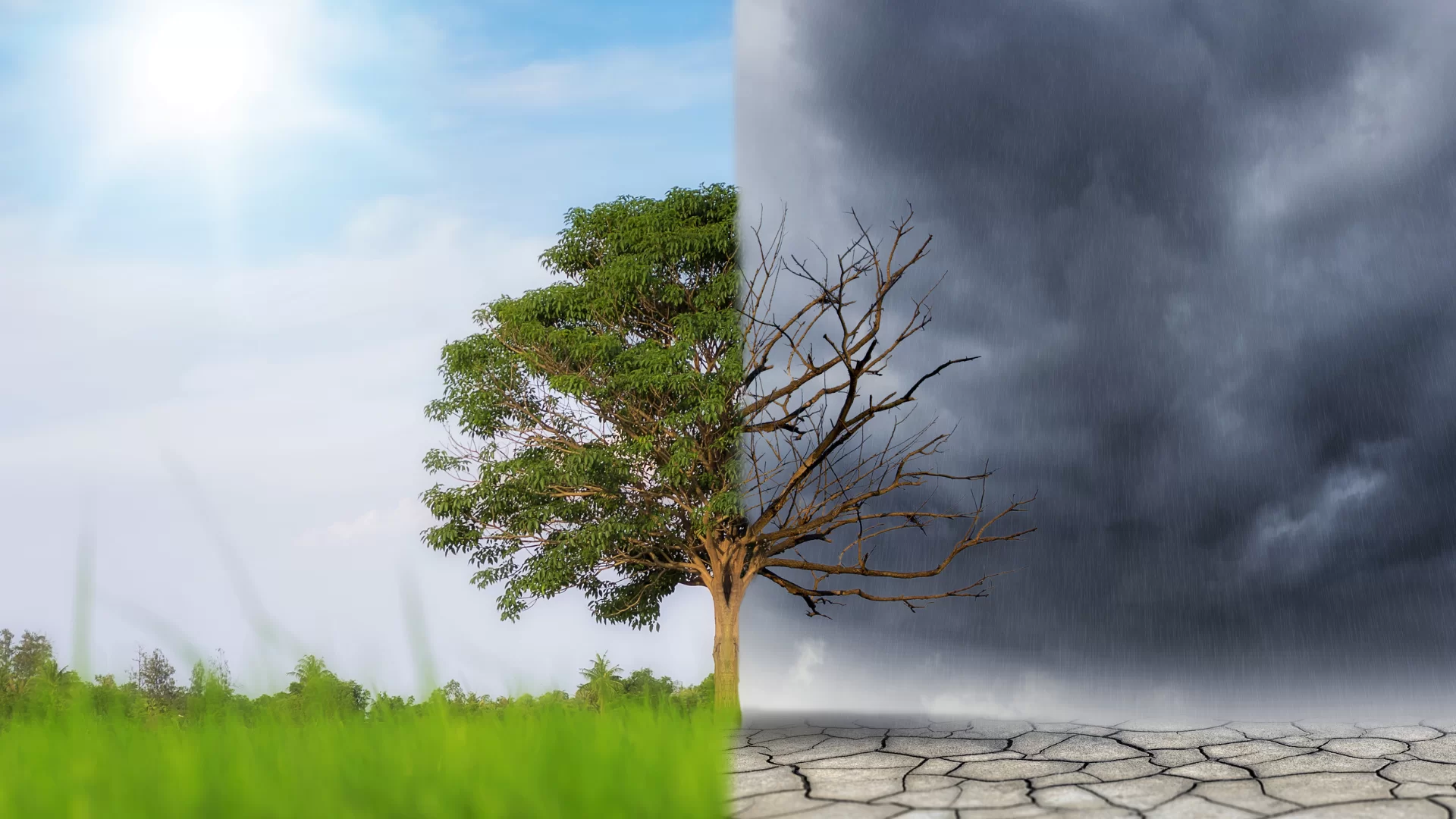
Exploring the Effects of Climate Change on Local Weather Patterns & Extreme Events
Posted on December 17, 2024
Climate change is transforming how weather systems behave worldwide. Rising greenhouse gas emissions and global temperatures are disturbing rainfall cycles, fueling extreme weather, and putting ecosystems, agriculture, and human communities at risk.
Shifting Weather Patterns
The balance of air and ocean systems is being disrupted. Warmer winters are increasingly common, altering plant growth cycles, animal hibernation, and migration routes. These changes weaken ecosystems and food chains.
Higher temperatures also enable pests and diseases to spread, impacting crops, forests, and human health. Recognizing these shifts is essential for building sustainable adaptation strategies.
Growing Frequency of Extreme Weather
Heatwaves, torrential rains, powerful storms, and hurricanes are now occurring more often and with greater intensity. Warmer seas intensify storms, making them harder to predict and more destructive.
Changes in rainfall distribution create uneven challenges: some regions face drought and water shortages, while others struggle with flooding. Both scenarios strain agriculture, infrastructure, and natural resources.
Urban Heat and Wildfire Risks
Cities experience stronger impacts because of the “urban heat island” effect. Prolonged heatwaves increase energy use, worsen health risks, and elevate wildfire dangers. In dry regions, wildfires have grown in scale, damaging forests, property, and air quality.
Coastal areas face additional threats from stronger storms and rising sea levels, which lead to flooding, erosion, and displacement of communities.
Cascading Effects on Society
Climate change triggers chain reactions across multiple sectors. For example, droughts reduce water supplies, disrupt farming, and raise food prices. Hurricanes damage supply chains and force people to relocate. These interconnected crises highlight the urgent need for climate resilience.
Strategies for Action
-
Mitigation: Cutting greenhouse gas emissions through renewable energy, energy-efficient practices, and cleaner industries to slow warming.
-
Adaptation: Preparing for inevitable impacts by creating resilient infrastructure, better water management systems, and wildfire defenses. Urban green spaces and sustainable rural farming practices also play a key role.
Importance of Education and Awareness
Public knowledge is critical. Informed communities can adopt eco-friendly habits, conserve resources, and respond better during emergencies. Education in schools, campaigns, and governance can build stronger climate awareness.
Equity and Global Responsibility
The burden of climate change is uneven. Vulnerable and developing regions often face the harshest impacts despite contributing the least to emissions. Rising seas, desertification, and food insecurity drive poverty and migration.
International cooperation is vital—wealthier nations must support adaptation efforts through funding, technology, and knowledge-sharing.